Loading...
Your inbox has 200 unread emails. Calendar invites conflict with each other. Expense reports from last month still aren't filed. Someone needs to book travel for next week's conference.

Your inbox has 200 unread emails. Calendar invites conflict with each other. Expense reports from last month still aren't filed. Someone needs to book travel for next week's conference. Data entry from that client project sits incomplete. You know you should be focusing on strategy, sales, or actually delivering services, not drowning in administrative tasks that feel important but aren't moving your business forward.
Edge helps businesses reclaim productive time through virtual administrative assistants who handle the necessary-but-tedious work that keeps operations running without consuming your day. If you're spending hours on admin tasks instead of revenue-generating activities, struggling to keep up with basic organization, or watching opportunities slip by because you're buried in emails, virtual support transforms how you work without hiring full-time staff.
A virtual assistant's meaning is straightforward: professionals who handle administrative tasks remotely rather than sitting at desks in your office. They manage emails, schedule appointments, organize files, handle data entry, prepare documents, coordinate travel, process expenses, and tackle the hundred small tasks that collectively eat hours of your week.
The "virtual" part means they work from their location using cloud-based tools, video calls, and secure platforms to stay connected. You're not paying for office space, equipment, or managing someone's daily supervision. They handle tasks independently, checking in as needed, and delivering completed work without the overhead of traditional employees.
Modern businesses rely on virtual assistants because they're cost-effective and flexible. Need help 10 hours weekly? Great. Need 40 hours during busy months and 10 during slow periods? No problem. This flexibility beats hiring full-time staff who you're paying regardless of actual workload.
Good virtual assistants become extensions of your team, learning your preferences, understanding your business, anticipating needs, and handling routine work without constant direction. They're not just following instructions robotically; they're thinking ahead and taking initiative on familiar tasks.
Administrative virtual assistants handle routine operational tasks, email management, calendar scheduling, data entry, document preparation, basic customer inquiries, expense tracking, and general organizational support. Think of them as the backbone handling day-to-day administrative functions.
Executive virtual assistants work at higher levels, managing complex calendars across time zones, coordinating with senior stakeholders, preparing presentations and reports, conducting research, handling confidential matters, and essentially serving as chief of staff for executives. They cost more but bring strategic thinking beyond task completion.
Most businesses start with administrative support for routine work overwhelming staff, then add executive support as leaders recognize the value of someone managing higher-level coordination. Your needs determine which level makes sense.
The distinction isn't rigid; good administrative assistants often grow into executive roles as they learn your business and demonstrate the capability to handle more complex responsibilities. Start where pain is greatest and expand from there.
Let's talk numbers. Full-time administrative assistants cost $35,000-$50,000 in salary, plus benefits, adding 25-40%, plus workspace, equipment, software, training, and management time. You're looking at a $50,000-$75,000 total annual cost per person minimum.
Virtual administrative assistants typically cost $15-$35 per hour with zero additional expenses. Even assuming full-time hours (unlikely since you pay only for actual work), annual costs run $31,000-$73,000 maximum, often much less because you're not paying for downtime, vacations, or slow periods.
The flexibility creates additional savings. Need 20 hours this week and 5 next week? You pay for 25 hours total. With employees, you're paying 80 hours regardless of workload. Over time, this flexibility adds up to serious money.
Hidden costs disappear too. No recruitment expenses, no onboarding time, no management overhead, no dealing with employee issues, no payroll taxes, no unemployment insurance. You're buying completed work, not managing employment relationships.
Understanding the benefits of outsourcing helps businesses see how virtual support optimizes costs while often improving quality through specialized expertise.
The productivity math is simple: every hour you spend on administrative tasks is an hour not spent on activities that actually grow your business. If you're worth $100/hour in client work or strategic planning but spending time on $15/hour admin tasks, you're losing money even if it feels productive.
Virtual assistants reclaim this time. When someone else handles emails, scheduling, data entry, and coordination, you focus on work only you can do: closing deals, serving clients, developing strategy, and building relationships. This focus multiplies your impact dramatically.
Time management improves across your organization. When administrative burden is lifted, everyone operates more efficiently. Sales teams sell instead of updating CRM. Consultants consult instead of formatting reports. Executives lead instead of booking their own travel.
The mental load reduction matters too. When you know someone's handling administrative details reliably, you stop worrying about them. That freed mental bandwidth goes toward creative thinking, problem-solving, and strategic decisions that actually matter.
Business needs fluctuate, with busy seasons, slow periods, project spikes, and varying workloads. Virtual administrative assistants scale with these changes effortlessly. Need extra support during tax season, product launches, or year-end reporting? Add hours temporarily without hiring permanently.
This scalability prevents the feast-or-famine staffing problems plaguing businesses. You're not carrying excess capacity during slow periods or scrambling to hire during busy ones. Support scales smoothly, matching actual needs rather than forcing needs to fit available staff.
Geographic flexibility matters too. Virtual assistants work from anywhere, meaning you access talent regardless of local availability. Can't find qualified administrative help in your small town? No problem, hire virtually from anywhere.
Trial periods reduce risk. Most virtual assistant companies allow testing before long-term commitments. See if working styles mesh, if quality meets expectations, and if the arrangement actually makes your life easier before committing substantially.
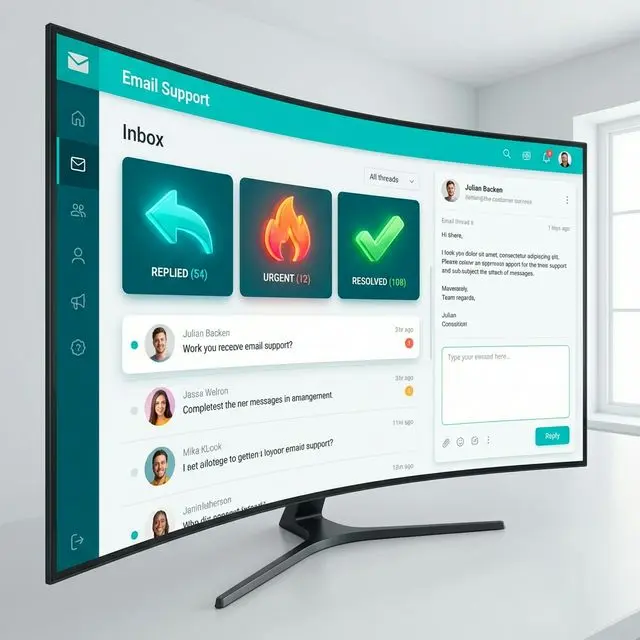
Email management transforms overwhelming inboxes into manageable systems. Virtual assistants filter messages, respond to routine inquiries, flag urgent items needing attention, file correspondence appropriately, and ensure nothing important gets buried. You see what matters, not everything.
Calendar management prevents double-bookings, scheduling conflicts, and the endless back-and-forth coordinating meetings. Assistants schedule appointments respecting priorities and preferences, send reminders, reschedule when conflicts arise, and ensure you're prepared with agendas and materials before meetings.
This coordination extends beyond simple scheduling, managing complex calendars across time zones, coordinating with multiple stakeholders, blocking focus time for important work, and ensuring travel logistics align with meeting schedules. Good calendar management makes days run smoothly instead of feeling chaotic.
Data entry consumes hours but requires minimal skill, perfect for delegation. Virtual assistants handle CRM updates, spreadsheet maintenance, database population, form processing, and all the tedious typing that needs doing but doesn't need your personal attention.
Document preparation includes formatting reports, creating presentations, proofreading materials, organizing files, preparing expense reports, and handling all the document work businesses generate. Final products look professional without consuming your time.
Organization becomes systematic. Files stored logically, documents named consistently, versions tracked properly, and information findable when needed. This organization prevents the chaos where nobody can find anything, and everyone wastes time searching.
Similar to how data annotation outsourcing handles specialized data tasks, virtual assistants tackle the routine data work that keeps businesses organized.
Basic customer support suits virtual assistants well, answering common questions, routing inquiries appropriately, scheduling appointments, providing information, and handling routine requests. Customers get prompt responses without consuming your team's time.
Communication coordination includes managing inquiries from multiple channels, following up on pending matters, sending updates and reminders, and ensuring no customer question goes unanswered. This consistent communication builds satisfaction, preventing the dropped balls that damage relationships.
Internal communication improves, too. Virtual assistants distribute meeting notes, track action items, send reminders about deadlines, and keep team members informed. This coordination prevents the "I didn't know about that" problems disrupting projects.
Just as businesses leverage customer support outsourcing for comprehensive customer service, virtual assistants provide first-tier support, handling routine inquiries efficiently.
Virtual administrative assistant companies employ trained professionals who've handled administrative work across various businesses and industries. They're not learning on your dime; they bring experience with common tools, established workflows, and knowledge of best practices.
Industry specialization matters. Some companies focus on specific sectors, such as healthcare, legal, real estate, and consulting. These specialized assistants understand industry terminology, common processes, and regulatory considerations that generalists miss. If your industry has unique needs, specialized support delivers better results.
Skill verification happens before hiring. Reputable companies test assistants on relevant software, assess communication skills, verify experience claims, and provide training to ensure competence. You're getting vetted professionals, not whoever answered a help-wanted ad.
Continuous training keeps skills current. Good companies invest in ongoing development, new software training, process improvement, customer service skills, and whatever keeps assistants effective as business needs evolve.
Data security isn't optional when assistants access business information. Professional virtual assistant companies implement security measures, including encrypted communications, secure file sharing, controlled access to systems, and confidentiality agreements protecting sensitive information.
Tool compatibility ensures smooth operations. Assistants work with common platforms like Google Workspace, Microsoft 365, Slack, Asana, Salesforce, and dozens of other business tools. If you use standard software, they're likely already familiar with it rather than needing training.
Cloud-based collaboration enables seamless remote work. Documents in shared drives, project management in collaborative platforms, communication through business channels, everything happens in systems your team already uses rather than creating parallel processes.
Similar to how healthcare BPO services maintain strict security for sensitive healthcare data, professional virtual assistant companies protect business information appropriately.
Quality assurance separates professional services from individual freelancers. Companies monitor assistant performance, conduct quality reviews, provide coaching, and ensure work meets standards consistently. You're not hoping quality stays good; it's being verified.
Performance metrics track productivity, accuracy, responsiveness, and completion rates. These measurements identify issues early and ensure assistants maintain performance over time rather than starting strong and then declining.
Backup coverage prevents disruptions. When your assigned assistant is unavailable due to vacation, illness, or personal emergencies, companies provide backup, ensuring work continues uninterrupted. You're not left stranded when individuals aren't available.
Account management provides your point of contact. Someone oversees your account, handles escalations, addresses concerns, and ensures everything runs smoothly. This management layer solves problems freelancers can't address themselves.
Start by listing tasks consuming time but not requiring your expertise, such as emails, scheduling, data entry, research, document prep, customer inquiries, and expense reports. Be specific about hours needed weekly, complexity levels, and any specialized knowledge required.
Timing matters. Do you need coverage during specific business hours, or can work happen asynchronously? Need someone available for urgent requests, or can everything wait until the next business day? These requirements determine whether you need dedicated support or shared assistants.
Budget considerations guide decisions. Virtual assistants range from $15/hour for basic administrative work to $50+/hour for specialized executive support. Match the budget to actual needs rather than overpaying for skills you don't require or underpaying and getting inadequate quality.
Trial periods test fit. Most arrangements allow trying before a long-term commitment. Use this time honestly evaluating whether the relationship works, does communication flow smoothly, is work quality acceptable, do they understand your needs, and does your life actually get easier?
Experience in your industry or business type helps. Assistants who've worked with similar businesses understand context faster, need less explanation, and bring relevant insights. This familiarity accelerates onboarding and improves results immediately.
Tool proficiency matters enormously. Verify assistants know the software you use, whether that's specific CRM systems, project management tools, accounting platforms, or industry-specific applications. Learning curves waste time and money.
Communication style affects working relationships. Some assistants are super proactive, others wait for direction. Some communicate constantly, others provide updates at scheduled intervals. Match communication preferences to your working style, preventing frustration.
Reliability trumps everything. The most skilled assistant who misses deadlines or disappears periodically causes more problems than they solve. References from current clients reveal reliability better than any marketing claims.
For businesses seeking comprehensive virtual support solutions, Edge provides professional virtual administrative assistants combining industry experience, proven reliability, and flexible service models that scale with your business needs.
Administrative work never stops, but it shouldn't consume your productive time anymore. Virtual administrative assistants handle the necessary-but-tedious tasks that keep businesses running, freeing you to focus on work that actually grows your business and requires your unique expertise. Whether you're a solopreneur drowning in admin work, a growing company needing scalable support, or an executive whose time is too valuable for routine tasks, virtual assistants offer practical solutions that improve productivity without traditional employment overhead.
Edge delivers virtual administrative assistant services that businesses trust for reliable, professional support across all the administrative functions that keep operations running smoothly. Ready to reclaim your time and focus on what matters?
Visit Edge today and discover how our virtual assistants can transform your daily operations and free you to build the business you envisioned rather than drowning in administrative details.