
Loading...
What Virtual Receptionist Services Do Medical Clinics Use?

Medical practice front desks face relentless demands, phones ringing constantly, patients checking in, appointment schedules needing coordination, insurance verification requiring attention, and clinical staff needing administrative support. Meanwhile, your in-house receptionist juggles multiple tasks simultaneously, calls go to voicemail during busy periods, and patient satisfaction suffers from long hold times and rushed interactions.
Edge helps medical practices deliver exceptional patient experiences through professional virtual receptionist services that medical offices trust for HIPAA-compliant communication, appointment management, and patient support. If your front desk staff is overwhelmed, patients complain about accessibility, or administrative costs are consuming practice revenue, virtual receptionist solutions provide the professional coverage and cost efficiency that modern healthcare demands.
A virtual medical receptionist handles patient phone interactions remotely, serving as the first point of contact for your practice without physically sitting at your front desk. These trained professionals answer calls, schedule appointments, verify insurance, take messages, and provide information, all while maintaining your practice's professional standards and HIPAA compliance.
Unlike automated answering systems that frustrate patients with endless menus, virtual receptionists provide the human touch patients expect. They greet callers warmly, listen to concerns empathetically, and handle situations with the judgment and flexibility that automation cannot match.
Virtual receptionists integrate seamlessly with practice operations. They access your scheduling system in real-time, view appointment availability, book patients according to your protocols, and communicate with your clinical staff through secure messaging. Patients experience the same quality of service they'd receive from in-house staff.
The remote nature provides advantages impossible with physical receptionists. Virtual teams provide coverage during lunch breaks, handle overflow during busy periods, and ensure phones are always answered professionally, no more missed calls going to voicemail when your receptionist is helping an in-office patient.
Appointment scheduling represents a core virtual receptionist function. They book new patient visits, schedule follow-ups, coordinate specialist referrals, and manage appointment changes, all while optimizing your schedule to maximize provider productivity and minimize gaps.
Call handling extends beyond scheduling. Virtual receptionists triage urgent calls requiring immediate clinical attention, take detailed messages for providers, handle prescription refill requests according to your protocols, and answer common questions about office hours, location, and insurance acceptance.
Patient intake begins before appointments. Virtual receptionists collect necessary demographic information, verify insurance coverage, explain payment policies, and send pre-appointment paperwork. This preparation streamlines check-in processes and reduces administrative burden when patients arrive.
Emergency call protocols ensure urgent situations receive appropriate attention. Virtual receptionists recognize symptoms requiring immediate care, follow established escalation procedures, and contact on-call providers when necessary, providing safety nets that prevent delays in critical situations.
Medical office virtual receptionists significantly reduce front desk burden. In-house staff focus on patients physically present, checking in arrivals, handling payments, and coordinating with clinical staff, while virtual receptionists manage all incoming phone communication separately.
This division of labor improves both efficiency and patient experience. Physical reception staff aren't interrupted constantly by ringing phones, allowing focused attention on patients standing before them. Virtual receptionists handle calls without the distractions of busy waiting rooms, providing callers with undivided attention.
Clinical staff benefits too. When receptionists manage routine calls and scheduling independently, nurses and medical assistants avoid constant interruptions asking about appointment availability, prescription refills, or insurance questions. This protection allows the clinical team to focus on patient care.
Understanding the benefits of outsourcing helps practices recognize how specialized support reduces internal burden while improving service quality across all patient touchpoints.
Patient satisfaction improves dramatically when calls are answered promptly by knowledgeable, friendly professionals. Virtual receptionist services medical practices use typically answer within 2-3 rings, eliminating the frustrating hold times that damage patient relationships and drive them to competitors.
First-call resolution increases when receptionists have adequate time and focus. Without the chaos of busy waiting rooms, virtual receptionists provide thorough assistance, answer questions completely, and resolve issues without rushing patients off the phone.
Reduced wait times make a significant difference. Patients contacting practices served by virtual receptionists spend less time on hold, reach live people consistently, and receive callbacks promptly when immediate assistance isn't possible. This accessibility builds loyalty and positive word-of-mouth.
Professional communication creates positive impressions. Virtual receptionists trained specifically for healthcare interactions use appropriate medical terminology, demonstrate empathy for patient concerns, and maintain professionalism that reflects well on your practice.
After-hours coverage extends practice accessibility beyond traditional office hours. Patients working during the day appreciate the ability to schedule appointments in the evenings. Those experiencing concerning symptoms after hours need real people assessing urgency rather than generic voicemail messages.
Virtual receptionist healthcare solutions provide round-the-clock answering without the prohibitive expense of overnight in-house staff. This availability differentiates practices in competitive markets where patients increasingly expect convenient access matching their schedules.
Emergency triage protocols protect patients and practices. After-hours virtual receptionists follow established guidelines distinguishing true emergencies requiring immediate ER visits from concerns that can wait for next-day appointments. This guidance prevents unnecessary emergency room visits while ensuring seriously ill patients receive appropriate urgent care.
On-call provider support streamlines urgent communications. Virtual receptionists contact on-call physicians when situations require immediate medical judgment, documenting calls and following up to ensure continuity. This organized approach beats scattered text messages and unclear voicemail chains.
HIPAA compliance represents a non-negotiable requirement for healthcare communication. Reputable virtual receptionist providers implement comprehensive compliance programs including encrypted phone systems, secure messaging platforms, access controls limiting information viewing, and regular HIPAA training for all staff.
Business associate agreements create legal frameworks protecting practices. Virtual receptionist companies sign BAAs acknowledging HIPAA obligations and accepting liability for protected health information they handle. These agreements provide legal protection that generic answering services cannot offer.
Audit trails document all patient interactions. Compliant systems track who accessed what information and when, creating records demonstrating proper information handling if audits or investigations occur. This documentation protects practices from compliance violations resulting from vendor actions.
Patient privacy protections extend beyond technology to operational procedures. Virtual receptionists verify caller identity before discussing health information, use secure channels for sensitive communications, and follow strict protocols preventing unauthorized information disclosure.
Similar to how practices outsource medical billing services while maintaining compliance, virtual receptionist services provide HIPAA-compliant patient communication that meets all regulatory requirements.
Electronic health record integration enables virtual receptionists to access scheduling systems, view appointment availability in real-time, and book patients directly into your practice management software. This integration eliminates double-entry, prevents scheduling conflicts, and maintains accurate records.
Secure messaging connects virtual receptionists with clinical staff without HIPAA violations. Rather than using insecure text messages or personal email, integrated platforms provide encrypted communication for appointment questions, urgent call information, and patient requests requiring clinical judgment.
Real-time updates ensure everyone stays informed. When virtual receptionists schedule appointments, cancel visits, or document important calls, information appears immediately in your EHR where clinical staff can access it. This visibility prevents miscommunication and ensures coordinated patient care.
Custom workflows accommodate practice-specific procedures. Virtual receptionist systems are configured to match your scheduling rules, appointment types, provider preferences, and administrative protocols. This customization ensures virtual support aligns perfectly with established practice operations.
The best virtual medical receptionist services employ staff specifically trained for healthcare communications. These professionals understand medical terminology, recognize symptom severity, demonstrate appropriate empathy for patient concerns, and navigate healthcare-specific situations confidently.
Specialized training covers appointment scheduling protocols, insurance verification procedures, HIPAA compliance requirements, medical office workflows, and communication skills suited to anxious or ill patients. This healthcare focus produces significantly better results than generic call center agents reading scripts.
Ongoing education keeps skills current. Leading providers invest in continuing training covering new regulations, emerging best practices, evolving technology platforms, and changing healthcare landscapes. This commitment ensures consistent quality as your practice and healthcare generally evolve.
Quality assurance programs monitor interactions. Supervisors review calls regularly, score performance against healthcare-specific quality criteria, provide coaching, and ensure virtual receptionists maintain standards befitting your practice reputation.
Multilingual capabilities expand practice accessibility to diverse patient populations. Virtual receptionist services offering Spanish, Mandarin, Vietnamese, Korean, or other languages enable practices serving multicultural communities to communicate effectively with all patients.
Language support goes beyond basic interpretation. Culturally competent receptionists understand health beliefs, communication styles, and cultural considerations affecting healthcare interactions. This sensitivity produces better patient relationships than translation alone provides.
Bilingual staff availability varies by service level. Some providers offer select languages, while others support dozens through specialized teams. Verify language capabilities match your patient demographics before selecting providers.
Specialized medical practices require customized communication approaches. Pediatric offices use child-friendly language, mental health practices employ trauma-informed communication, specialist offices explain complex procedures appropriately, and urgent care centers triage efficiently.
Custom call scripts ensure virtual receptionists represent your practice appropriately. These scripts incorporate your specific terminology, answer frequently asked questions accurately, explain your procedures clearly, and handle situations according to your preferences.
Script development happens collaboratively. Practices provide input about communication priorities, common patient concerns, and preferred responses. Virtual receptionist companies draft scripts, refine them through feedback, and update continuously as practice needs evolve.
Just as medical transcription outsourcing provides specialized documentation support, virtual receptionist services deliver specialized patient communication suited to unique practice characteristics.
In-house receptionists cost significantly more than virtual alternatives when full compensation is considered. A medical receptionist's salary averages $30,000-$40,000 annually, plus benefits (25-40% additional), payroll taxes, workspace, equipment, and practice management software. Total cost per employee typically reaches $45,000-$60,000 yearly.
Virtual receptionist services cost $500-$2,000 monthly, depending on call volume and service level, roughly $6,000-$24,000 annually. Even at higher tiers, virtual services cost 50-75% less than equivalent in-house staff while providing better coverage, including after-hours availability.
Additional savings come from flexibility. Virtual services scale easily with practice growth or seasonal variations, while hiring and firing in-house staff creates costly turnover. Virtual receptionists never call in sick, take a vacation, or require coverage during absences.
Hidden costs disappear with virtual solutions. No recruitment expenses, no training time for new hires, no turnover disruptions when staff leave, and no management time supervising front desk operations. These intangible savings add significant value beyond direct cost comparisons.
Healthcare industry experience demonstrates understanding of medical office workflows, patient communication needs, regulatory requirements, and specialized situations medical practices face daily. Verify potential providers have served medical practices specifically, rather than just generic businesses.
Client references from similar practices provide invaluable insights. Speaking with physicians, office managers, and administrators using services reveals how providers perform under pressure, handle complex situations, communicate with practices, and deliver on promises over extended periods.
Specialization levels vary. Some virtual receptionist companies serve multiple industries with healthcare as one segment, while others focus exclusively on medical practices. Specialized providers typically deliver superior results through deeper healthcare expertise and purpose-built systems.
For practices seeking comprehensive support, healthcare BPO services combine virtual receptionist capabilities with broader administrative outsourcing, creating integrated solutions addressing multiple practice needs simultaneously.
Security certifications verify commitment beyond marketing claims. Look for HIPAA compliance documentation, SOC 2 certification, regular security audits, and cyber insurance protecting against breaches. These validations demonstrate serious security infrastructure.
Scalability ensures providers handle practice growth without service degradation. Small practices should scale smoothly to multi-provider operations, with virtual receptionist services maintaining consistent quality, meeting performance standards, and accommodating increasing call volumes seamlessly.
Technology investment indicates long-term viability. Providers implementing modern cloud-based systems, EHR integrations, advanced call routing, and sophisticated reporting demonstrate commitment to continuous improvement rather than operating on outdated technology.
Trial periods reduce risk. Many providers offer pilot programs allowing practices to test services before long-term commitments. These trials reveal compatibility, quality, and operational fit that marketing materials cannot convey.
When evaluating options for virtual receptionist services medical practices need, Edge provides comprehensive solutions combining healthcare-trained receptionists, HIPAA-compliant technology, flexible scalability, and transparent pricing that makes professional patient communication accessible to practices of all sizes.
Front desk operations shouldn't limit practice growth or compromise patient satisfaction. Professional virtual receptionist services deliver the accessibility, professionalism, and cost efficiency that modern medical practices require to thrive in competitive healthcare markets. Whether you're a solo practitioner seeking after-hours coverage, a growing practice needing overflow support, or an established clinic optimizing administrative costs, virtual receptionist solutions transform patient communication from operational burden into competitive advantage.
Edge offers specialized virtual receptionist services medical practices trust for HIPAA-compliant patient communication, appointment management, and professional phone coverage that enhances patient experiences while reducing administrative overhead. Ready to improve practice accessibility and patient satisfaction? Visit Edge today and discover how our healthcare-focused virtual receptionist solutions can support your practice's success.

Transform your customer experience with expert, round-the-clock technical support.

Unlock the power of your information with professional, scalable data solutions.
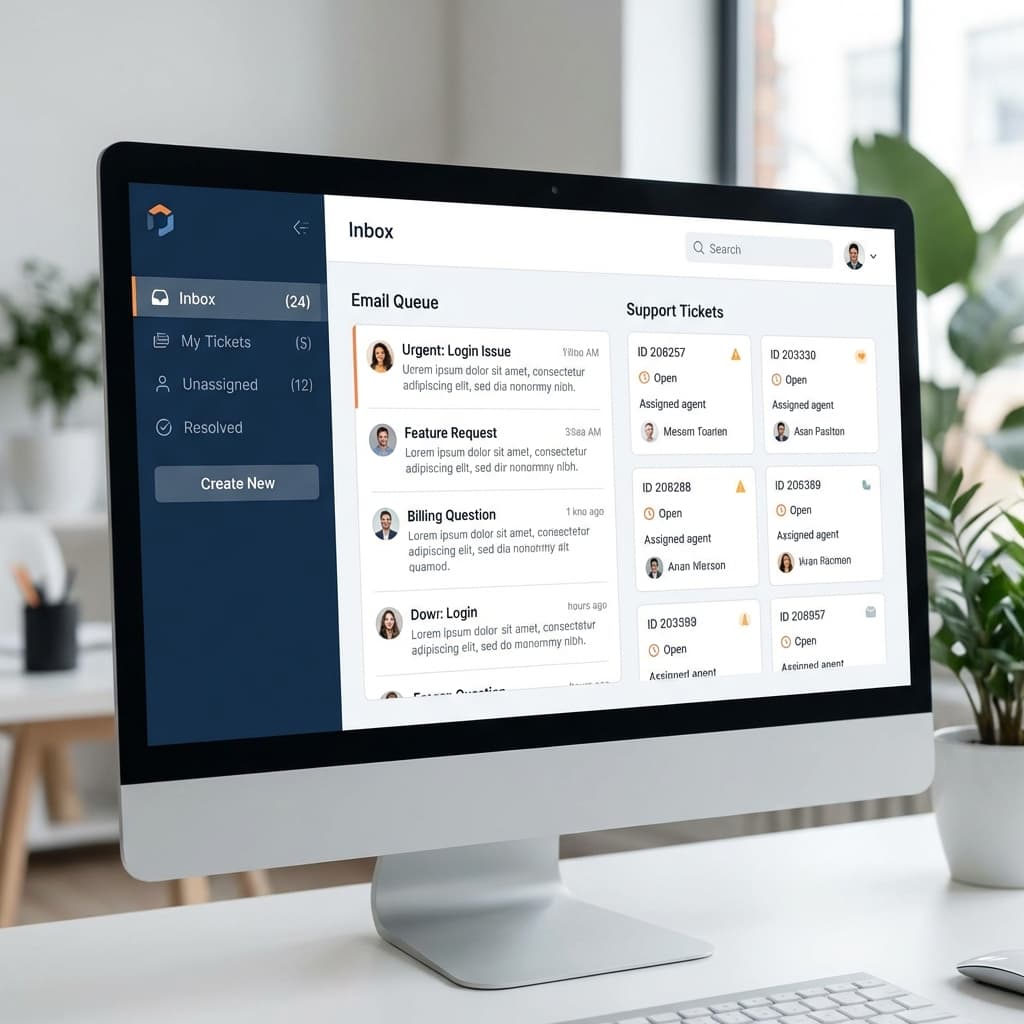
Transform your inbox into a growth engine with professional email management.